Student Wellbeing
Empowering students through thoughtful spaces

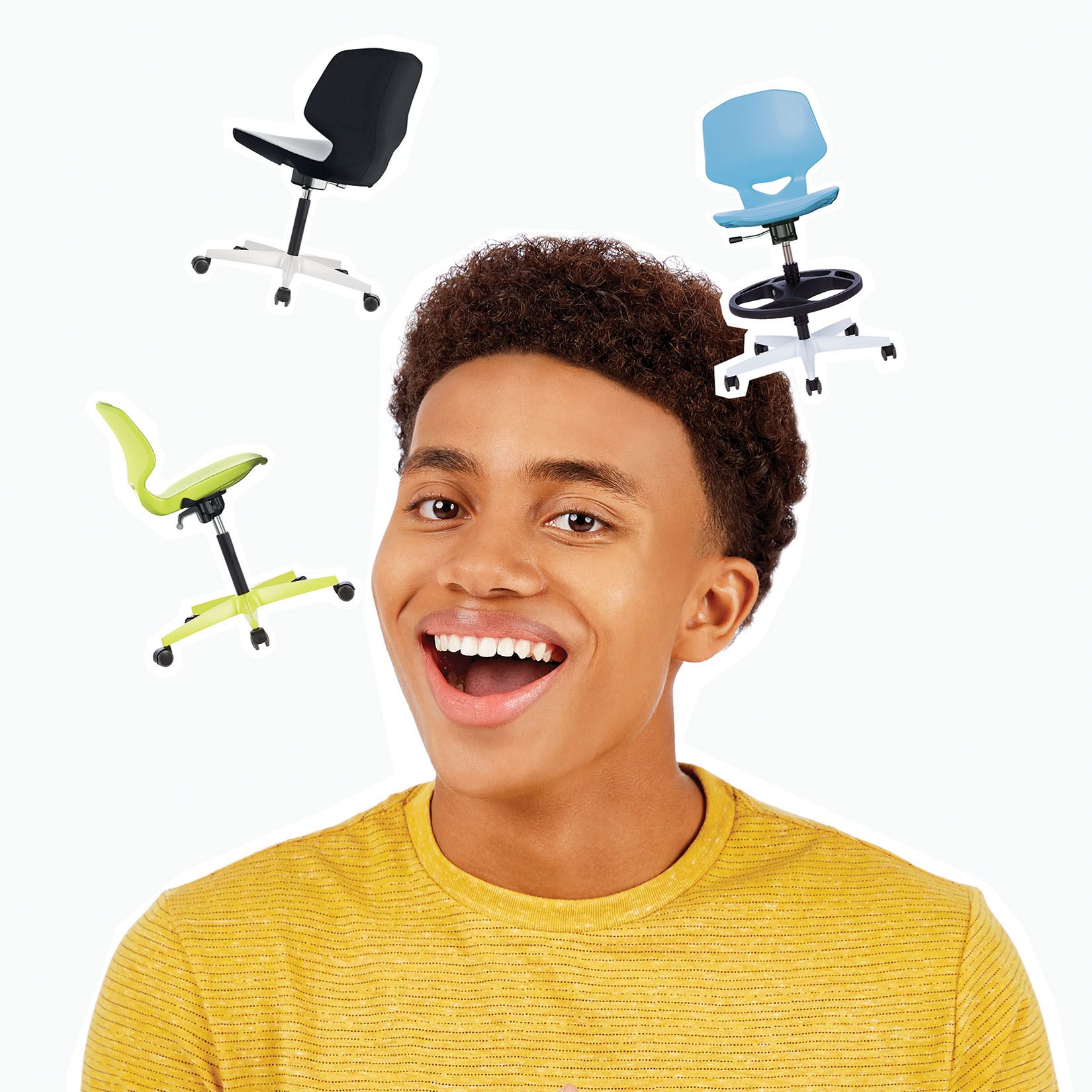
Learning spaces can have a lasting impact on students’ physical, mental and social wellbeing. Thoughtfully designed environments can provide places for movement and quiet, foster a sense of belonging, and give students meaningful choice – creating spaces where different learners can feel comfortable and supported.
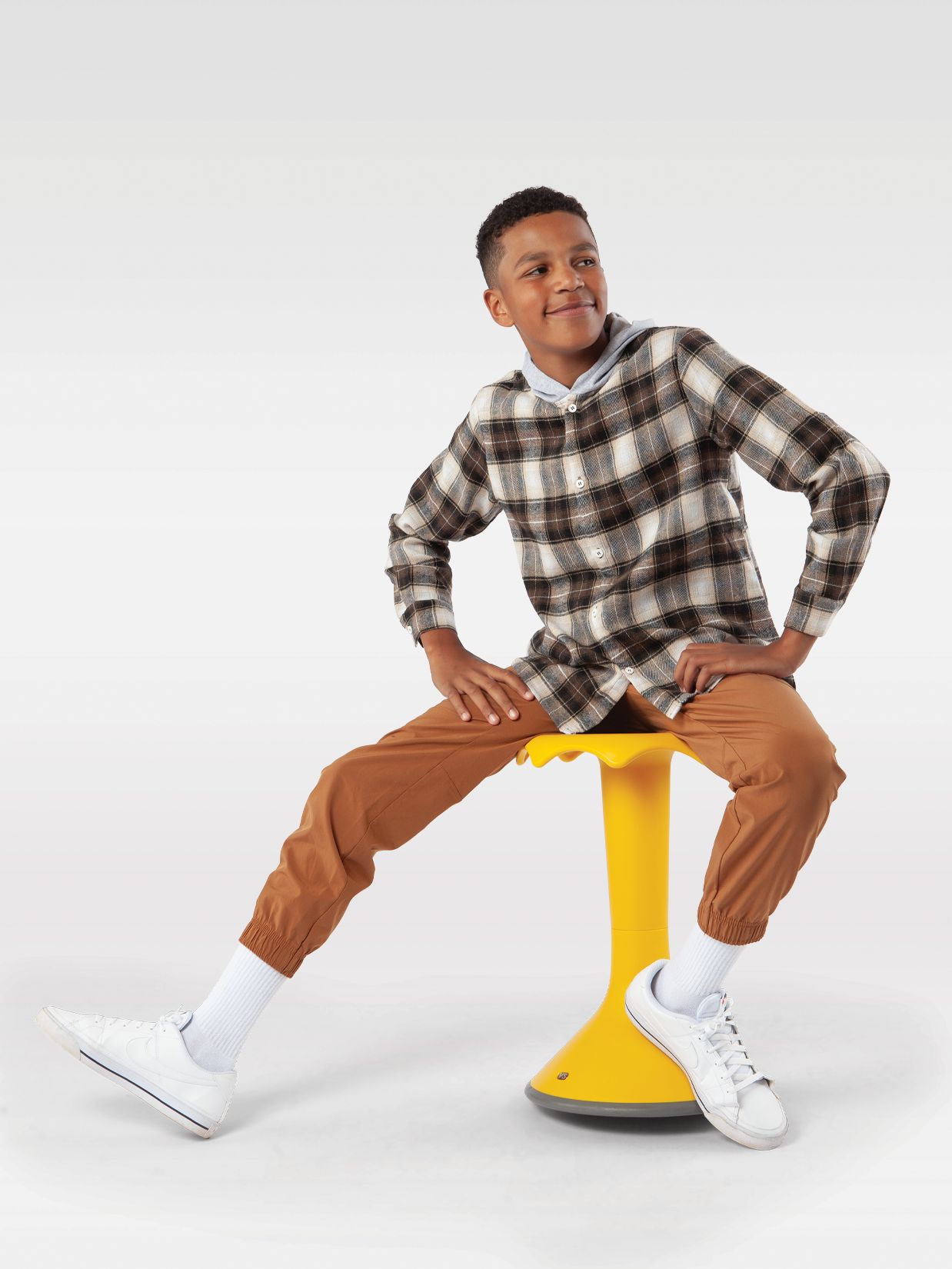
Regular movement is an important part of children’s physical development and everyday learning. Students naturally shift position, fidget, stand and move throughout the school day, rather than remaining in one posture for long periods.
Learning spaces that make room for this natural movement can help students stay comfortable and engaged. Furniture can support this by giving students different ways to sit, stand and change position as activities change.
At VS, movement is considered as part of the learning environment – not something that needs to happen only during breaks.

Let’s Create Learning Spaces That Embody Dynamic Flexibility, Healthy Ergonomics, and Compassion Our Kids Deserve It
A safe environment and trust empower students to collaborate and communicate while fostering critical thinking. By encouraging rather than restricting natural movement, ergonomic school furniture supports student agency and allows students to engage creatively and independently. This sense of empowerment leads to higher engagement and performance in class.
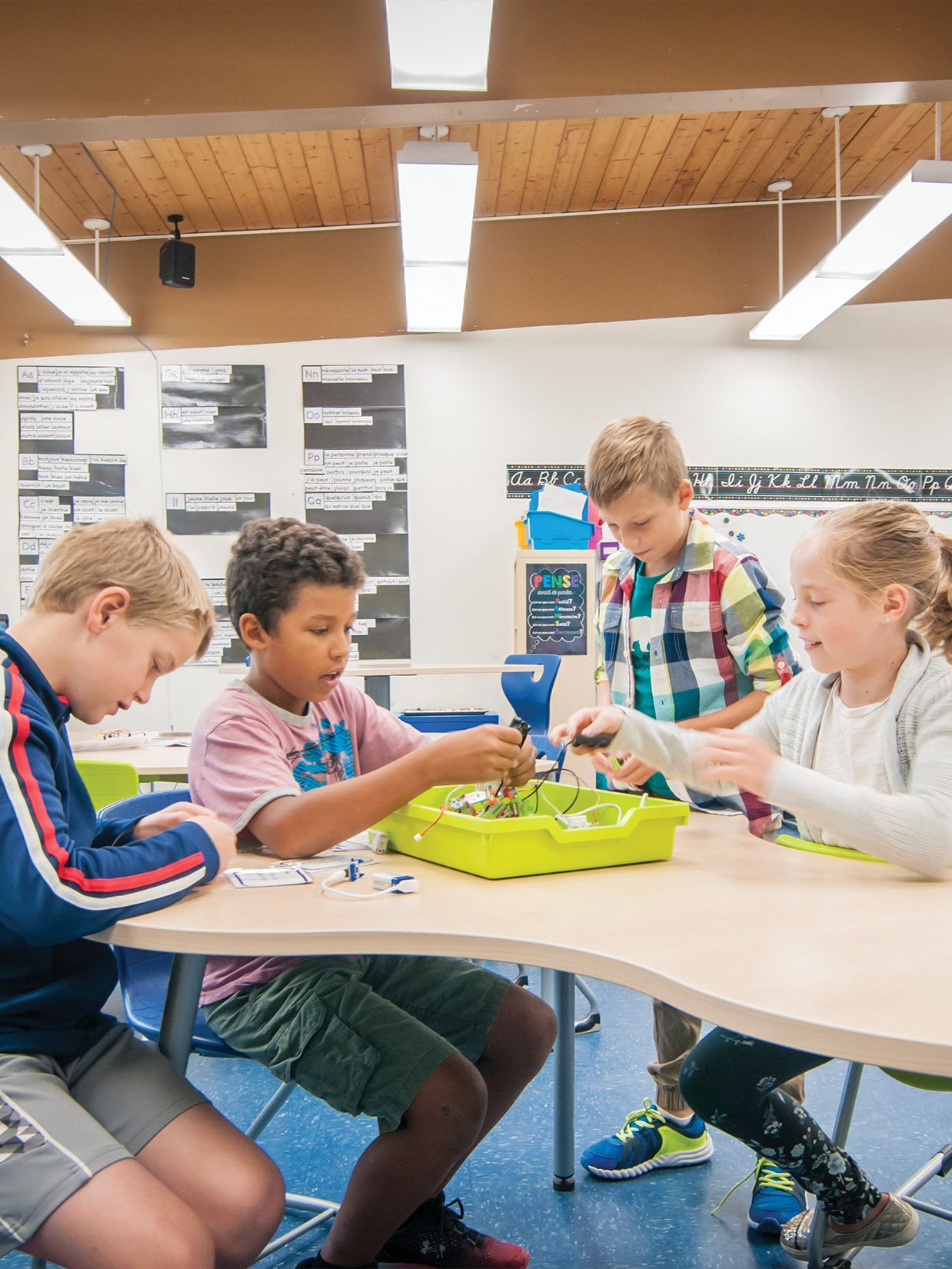
Active learning spaces can create more opportunities for students to interact and collaborate.
Traditional rows of fixed seating tend to support one main orientation and way of working. More flexible options – from cantilever chairs to stools and mobile furniture – allow students to turn, move and work with others more naturally.
This flexibility can support more equitable participation by giving students different ways to engage with the space and with one another. When students can sit, stand or choose a setting that suits the task, the classroom becomes more responsive to different needs and ways of learning.
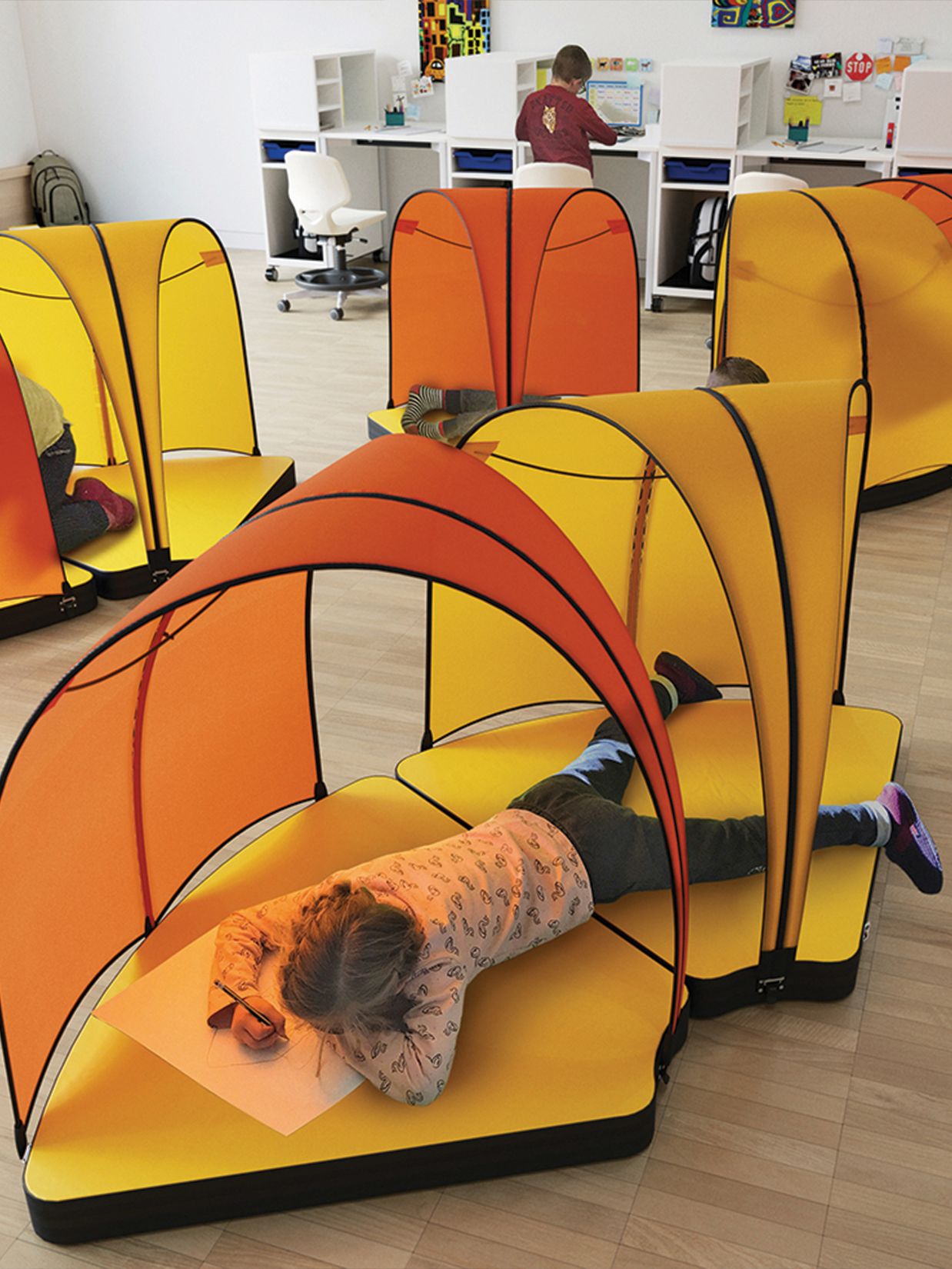
Alongside areas that encourage movement and collaboration, schools also benefit from quieter spaces that students can choose when they need time to focus or reset.
Throughout the school day, students move between periods of activity, concentration and rest. Learning environments can respond by offering different settings – from active central areas to quieter edges, nooks or partially screened spaces.
Lighting, colour and furniture all contribute to how these spaces feel. A quieter table, soft seating area or small retreat can provide a different atmosphere without disconnecting students completely from the wider learning environment.
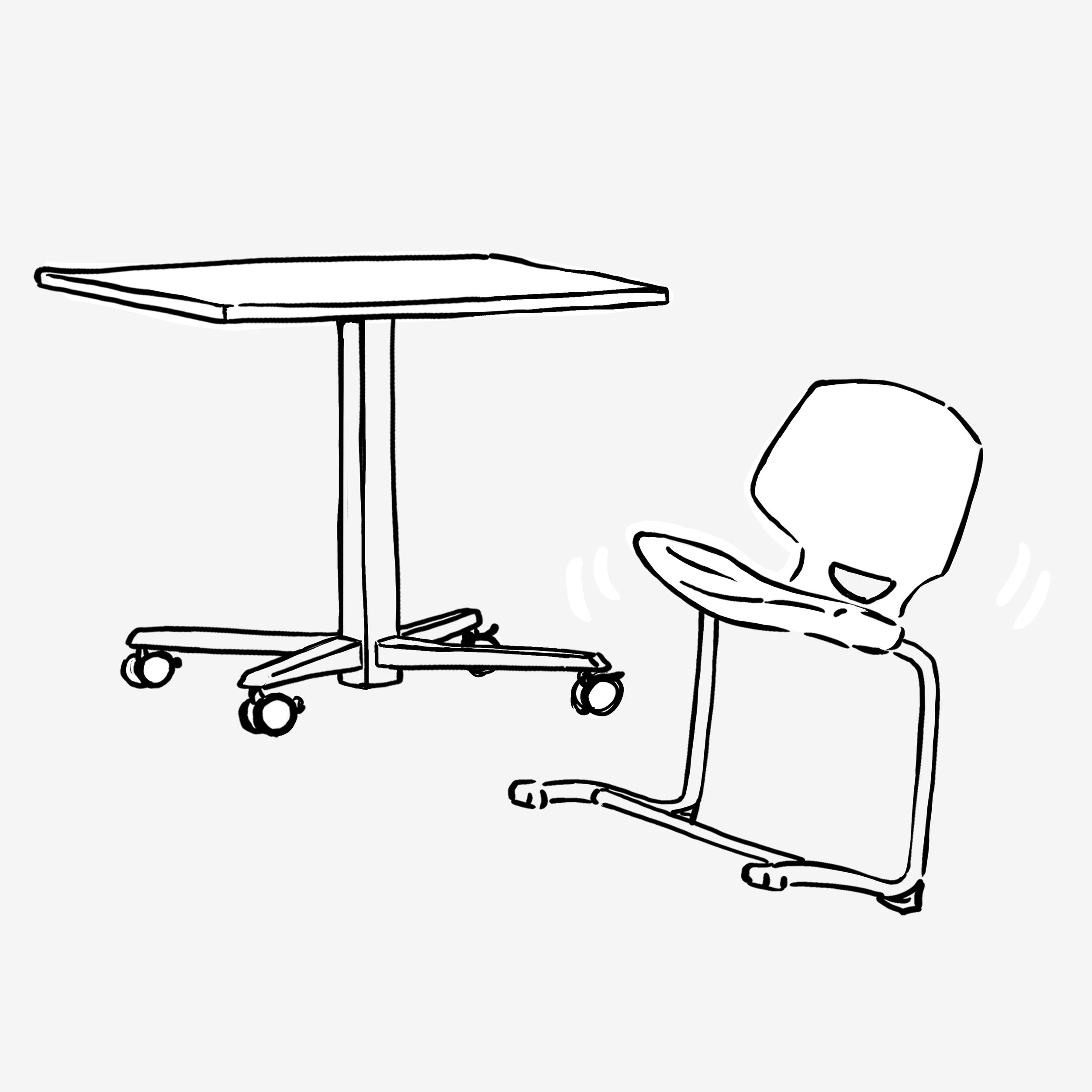
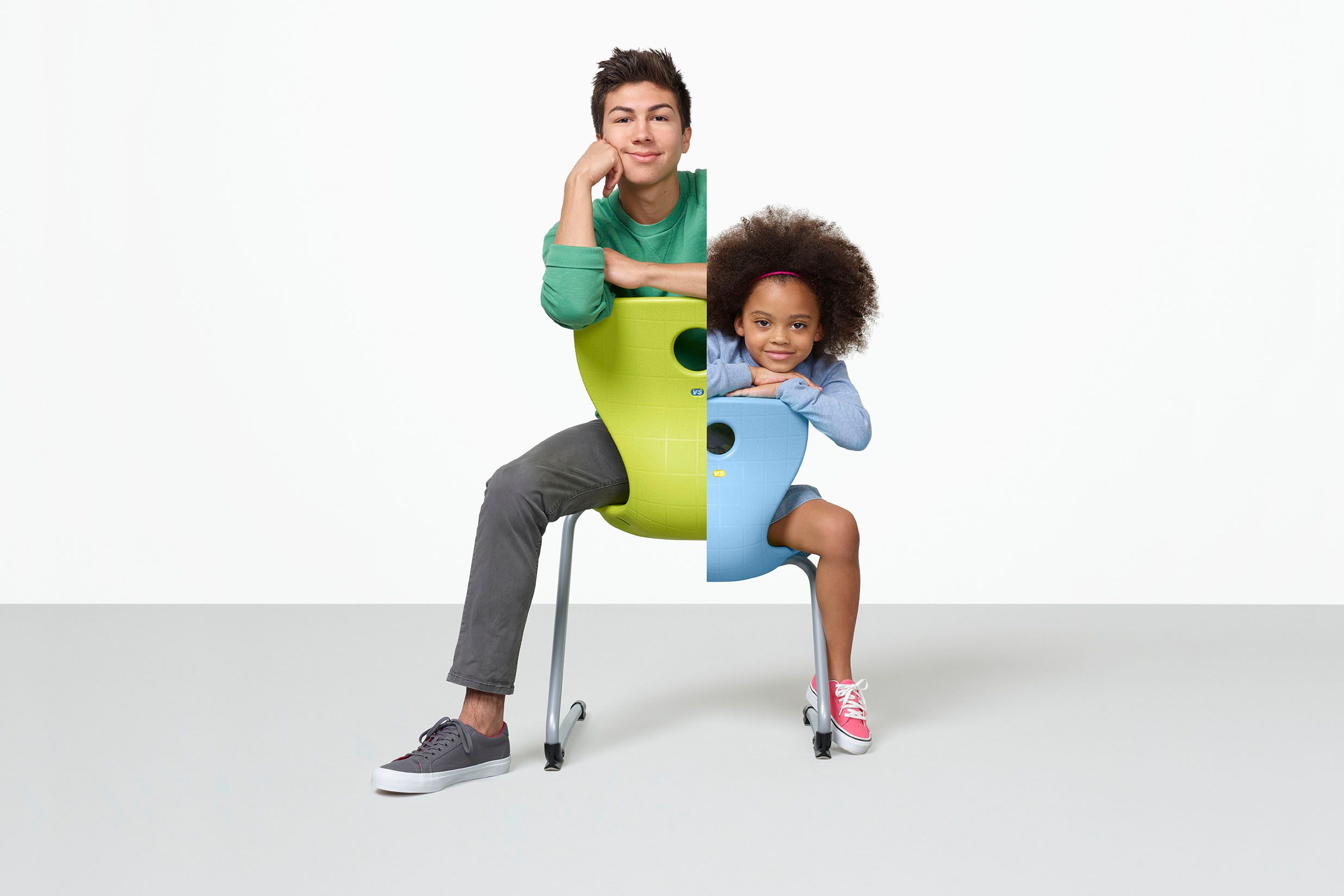
Move beyond traditional ergonomics by making room for dynamic movement. Ergo-dynamic spaces support the body through active, adaptable furniture and natural changes in posture. Explore why movement matters for learning and what to consider when choosing furniture.


Share This Page