Ergonomics
Designed for comfort, focus & movement

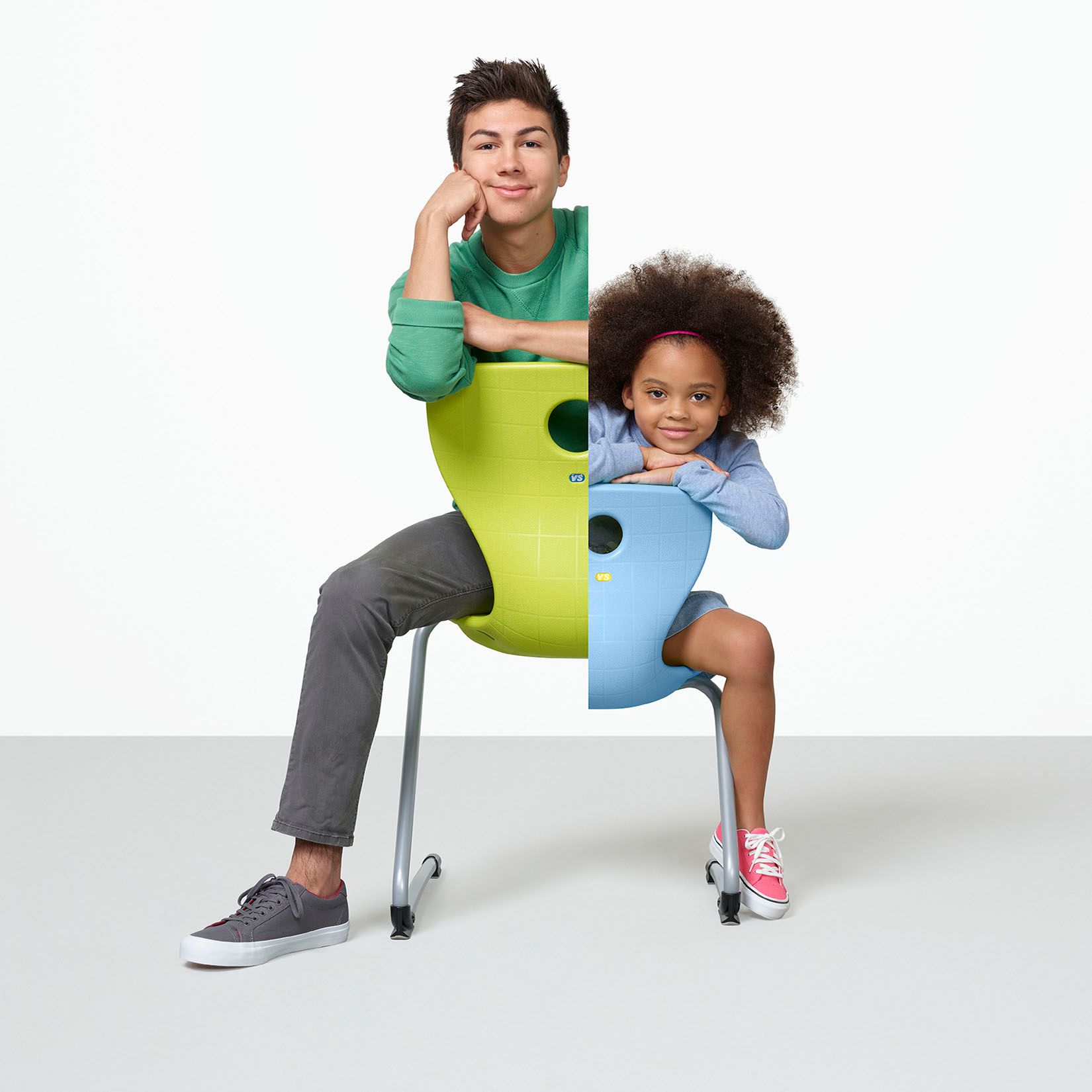
Ergonomic design in learning spaces is about more than finding a comfortable sitting position. Furniture that supports natural movement and changes in posture can help students stay comfortable and engaged throughout the day.
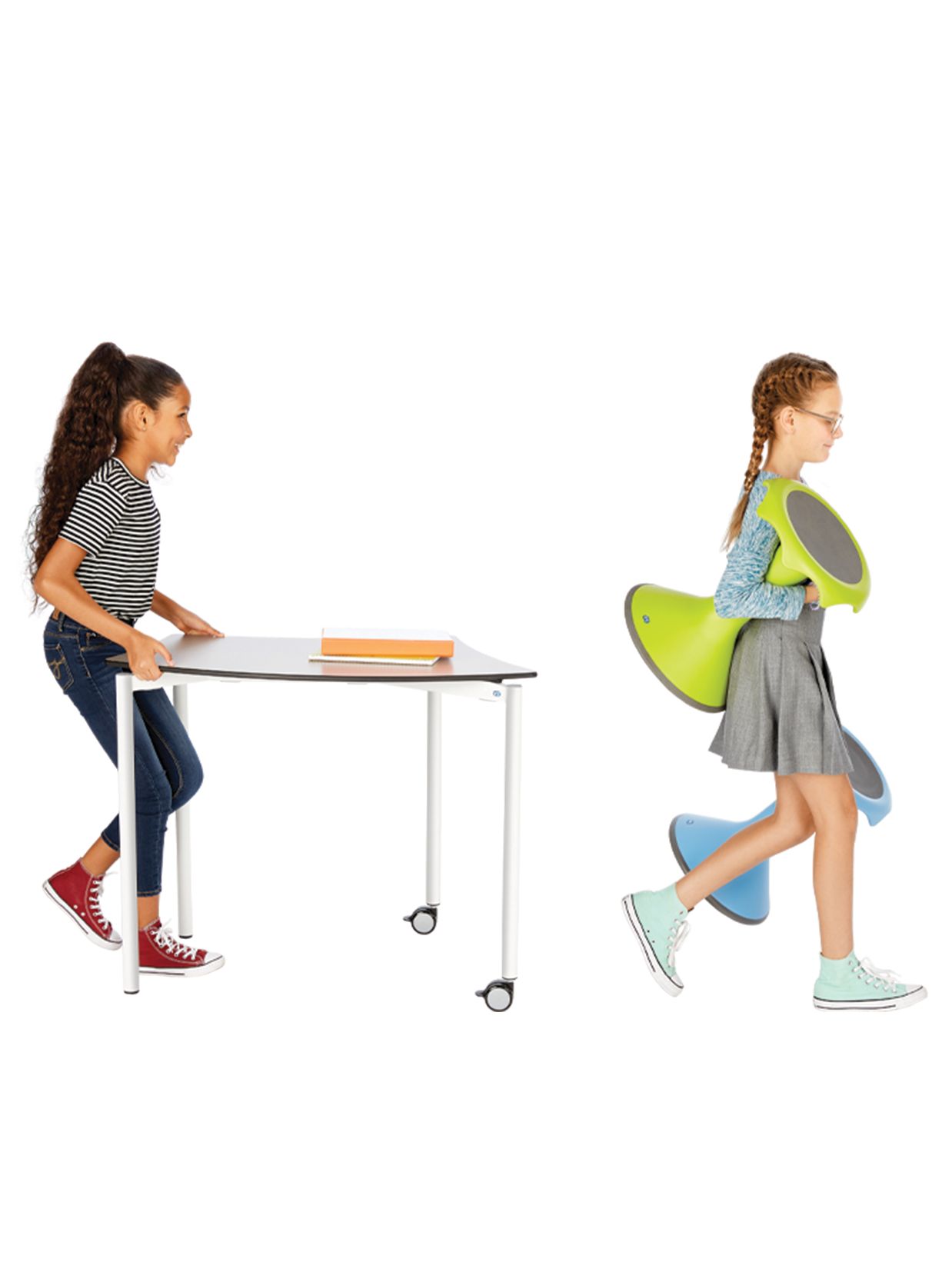
Children naturally move more frequently than adults, particularly while their bodies and movement patterns are still developing.
Fidgeting, shifting position, working closer to the floor or standing are all normal ways students change posture throughout the day. Rather than expecting the body to remain in one fixed position, learning environments can make movement easier and more comfortable.
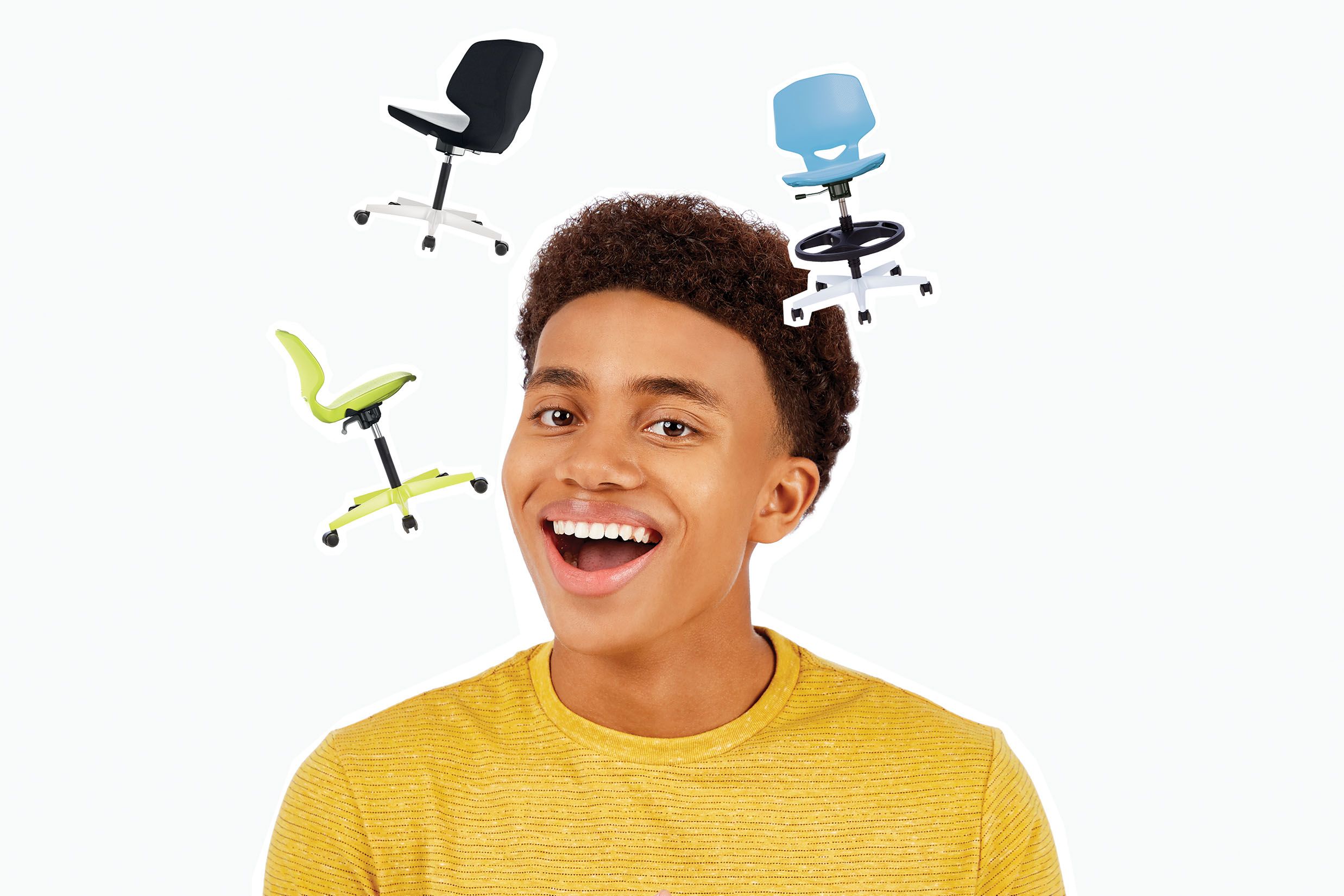
This is why VS furniture is designed around dynamic movement – giving students practical ways to change position while they learn.
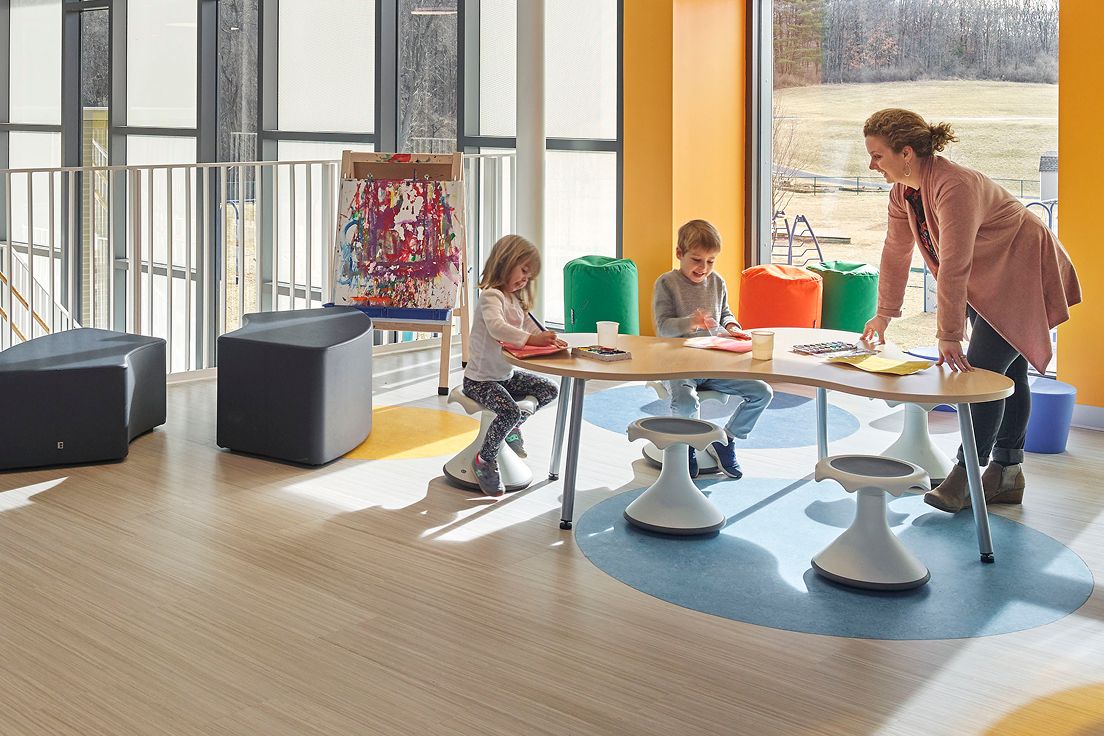
Students and teachers have different working styles, body sizes and movement needs, making variety in learning spaces important.
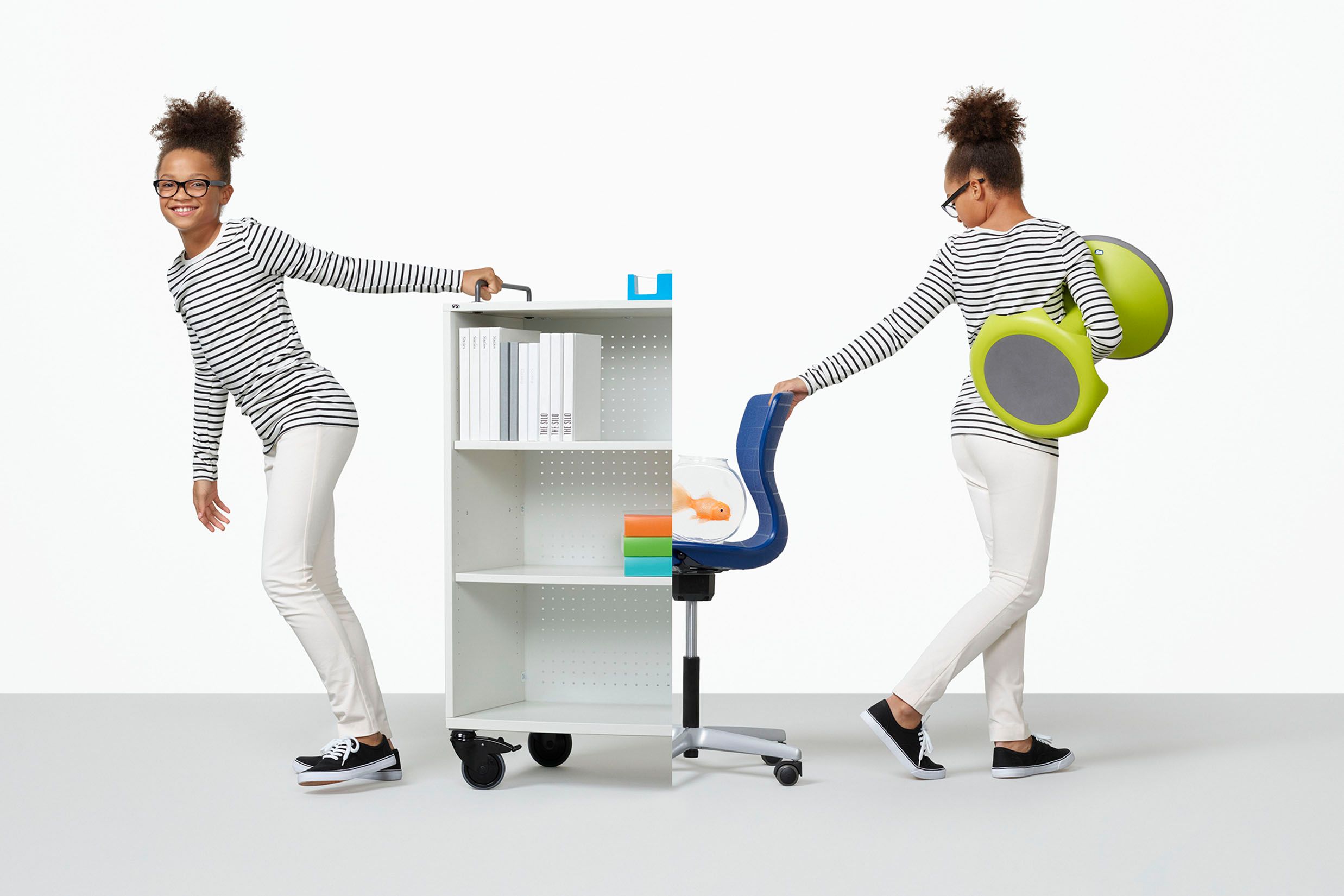
A mix of mobile, multi-use furniture can support different ways of working – whether sitting, standing or working closer to the floor – while helping spaces move between individual tasks, collaboration and project-based learning.
The right fit matters too. Our seating and table solutions are available in a range of sizes and adjustable options to support different ages and heights.
" Ergo-Dynamics Move Beyond Traditional Ergonomics by Integrating Dynamic Movement. Creating Spaces That Support the Body & Encourage Natural Motion Through Active Furniture. "Dr. Dieter Breithecker, Health and Kinetics Scientist
Fidgeting isn’t a distraction – it’s the body’s natural way of staying engaged. As children develop, they often shift in their chairs, move their feet, lean or make other small adjustments while they work. Furniture that allows these movements comfortably can support a more natural way of sitting and learning.
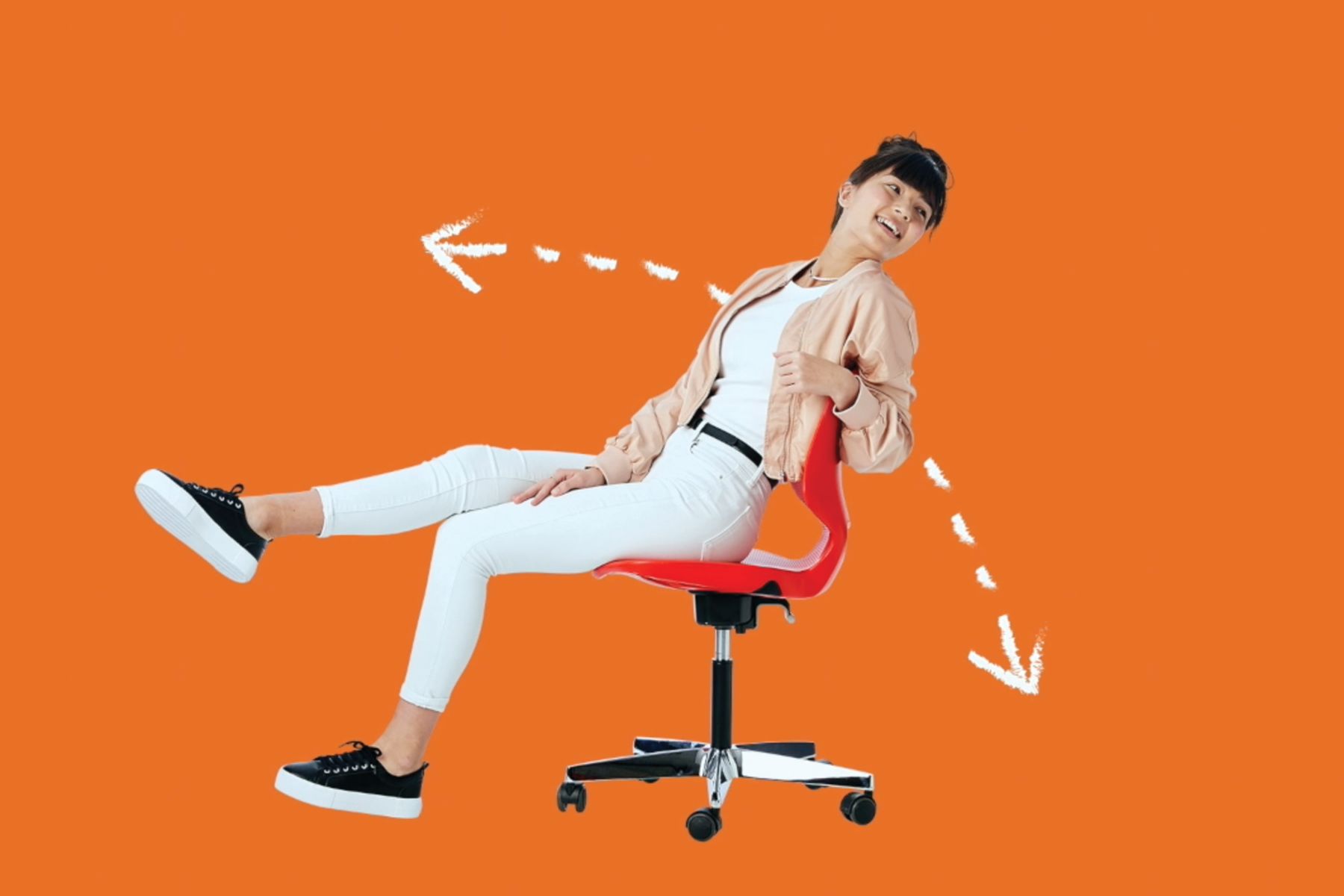
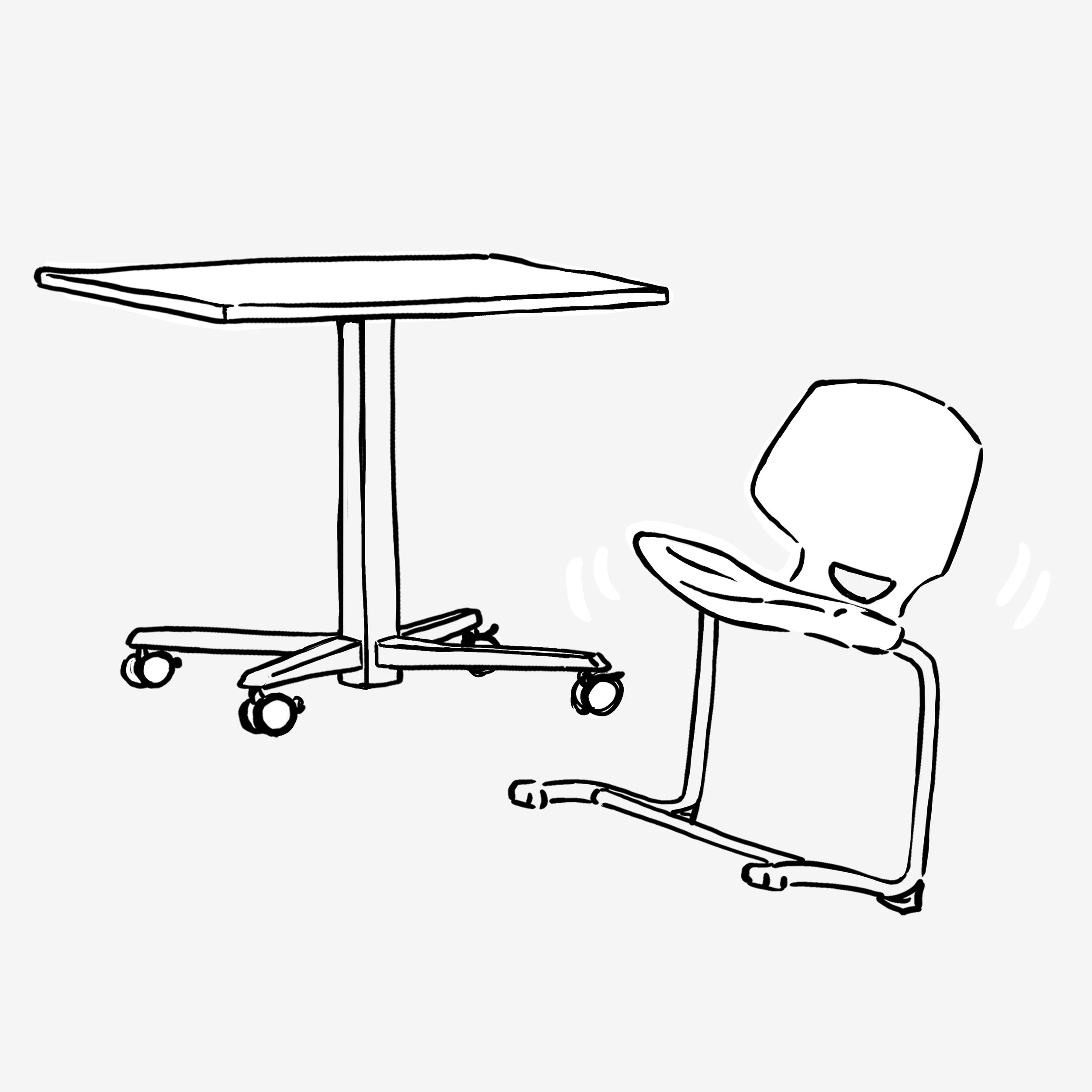
Chairs with a 3D rocking mechanism allow movement in multiple directions, helping the body shift naturally rather than remain in one fixed posture.
This type of active sitting allows the back, shoulders and neck to stay relaxed. It therefore improves circulation, and support concerntration and brain fuction.
Share This Page