Agile Spaces
Spaces that evolve with learning

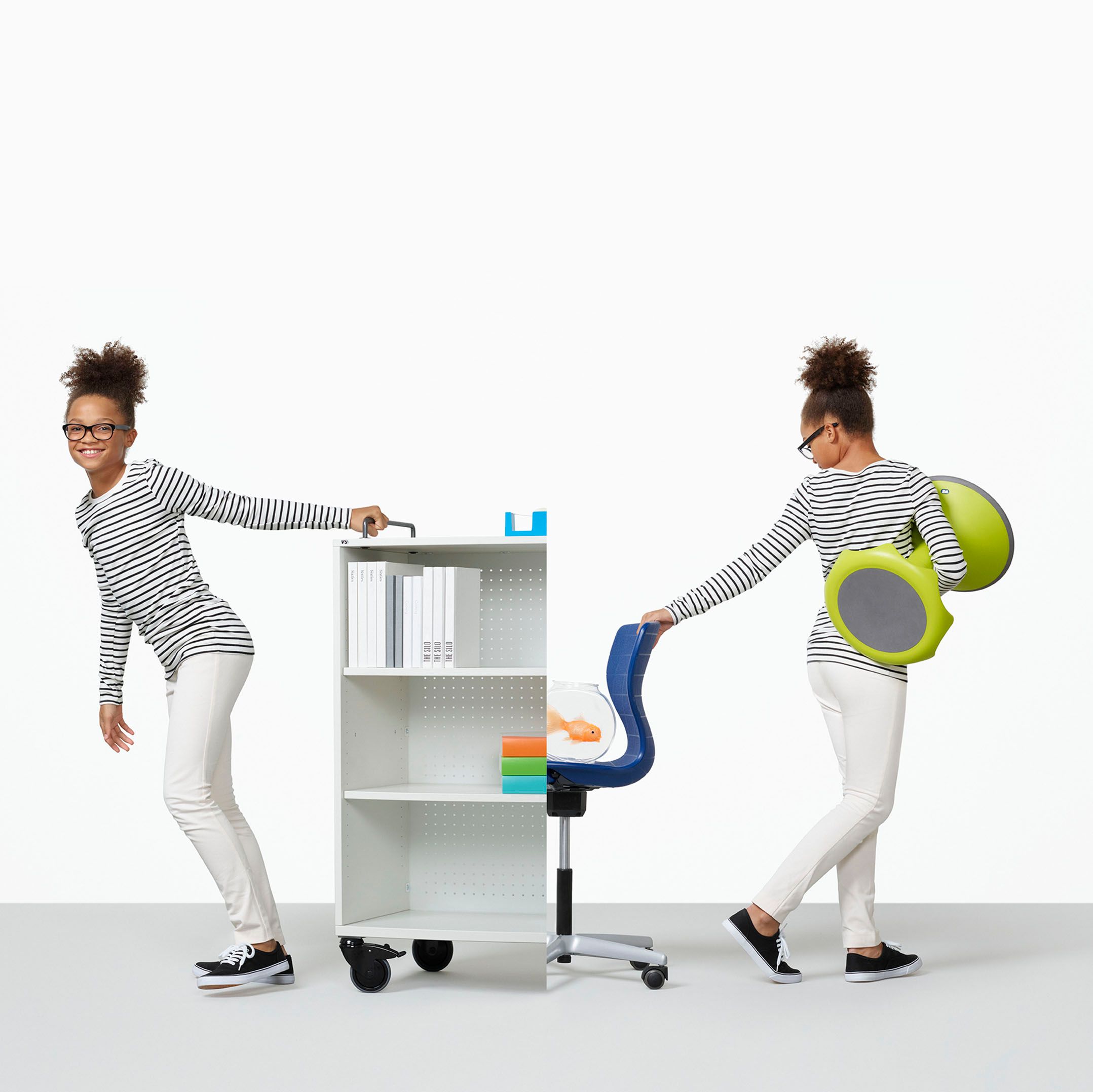
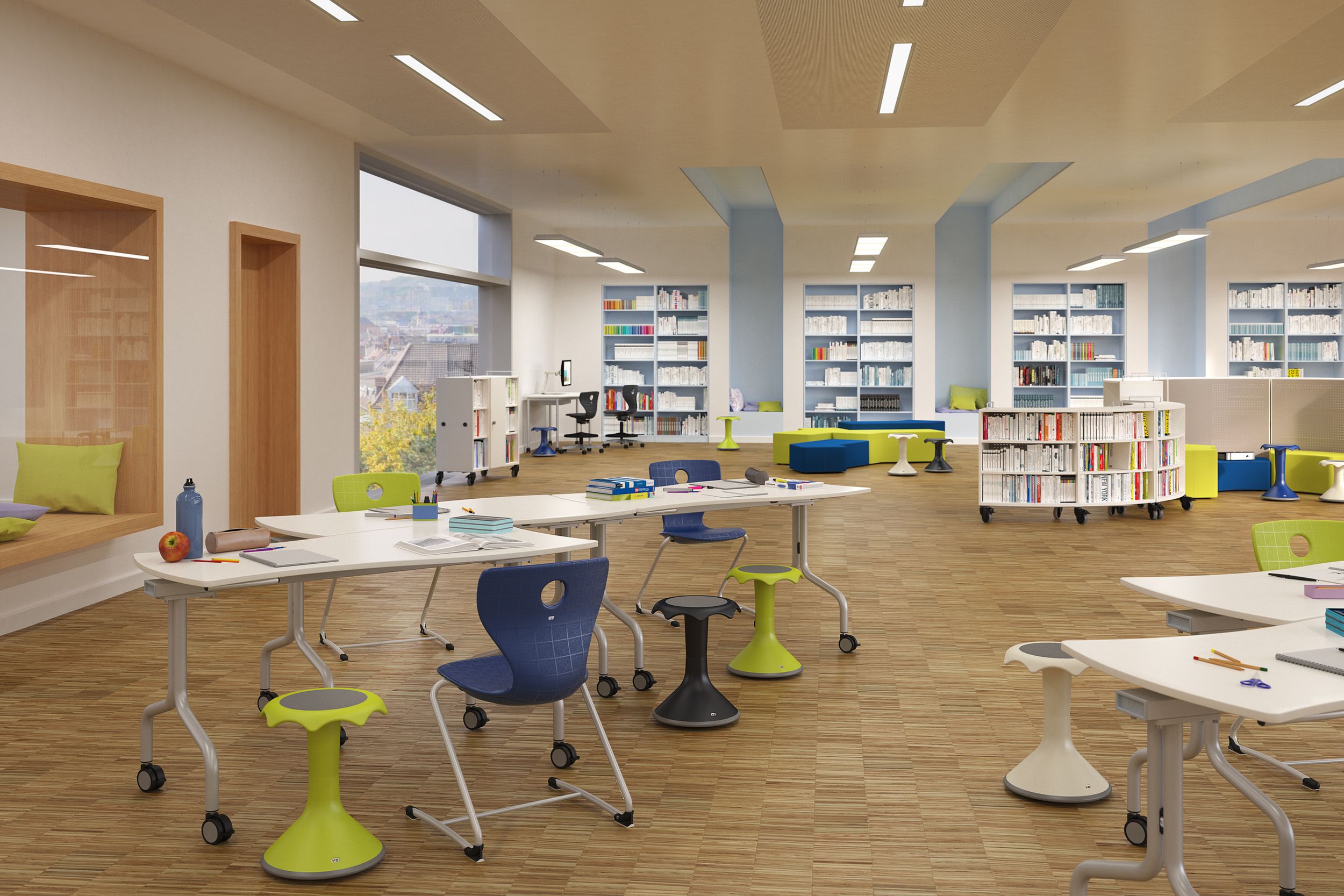
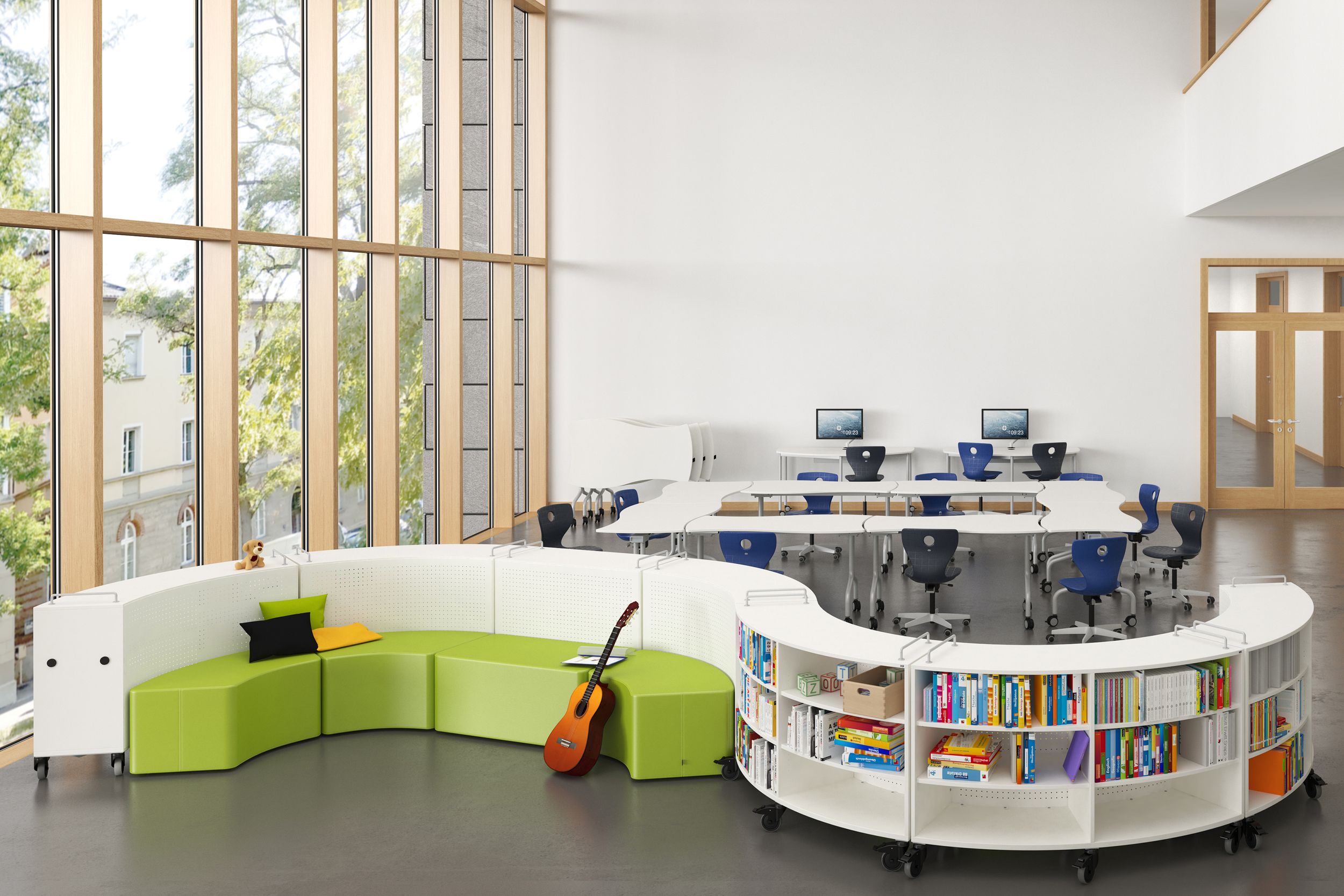
Agile spaces give students and educators greater flexibility to move, collaborate and work in different ways. With adaptable furniture and flexible layouts, learning environments can be reconfigured for different activities, group sizes and levels of interaction.
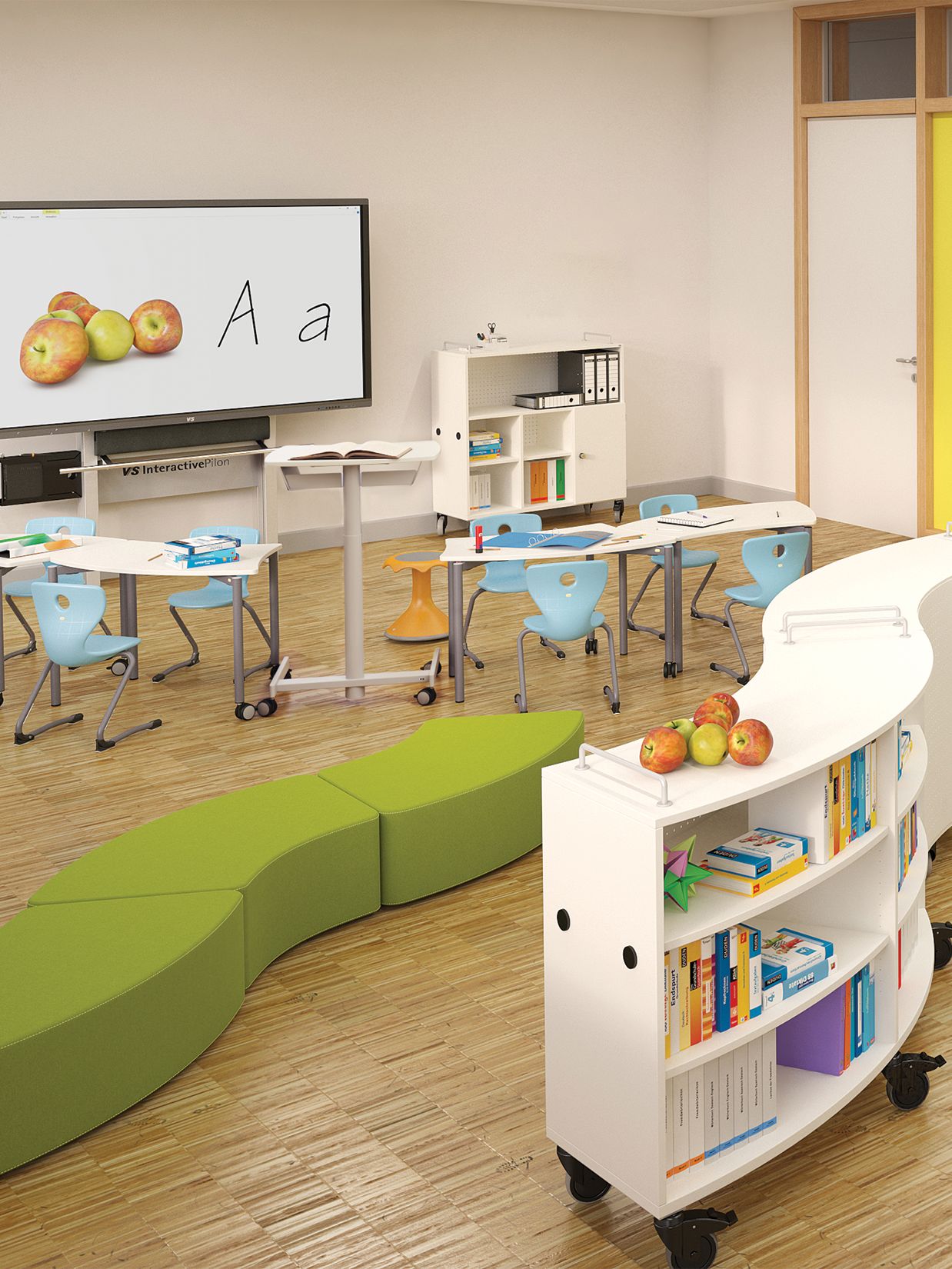
Learning environments are constantly in motion – across classrooms, libraries, collaborative areas and other shared spaces, from early learning through to higher education.
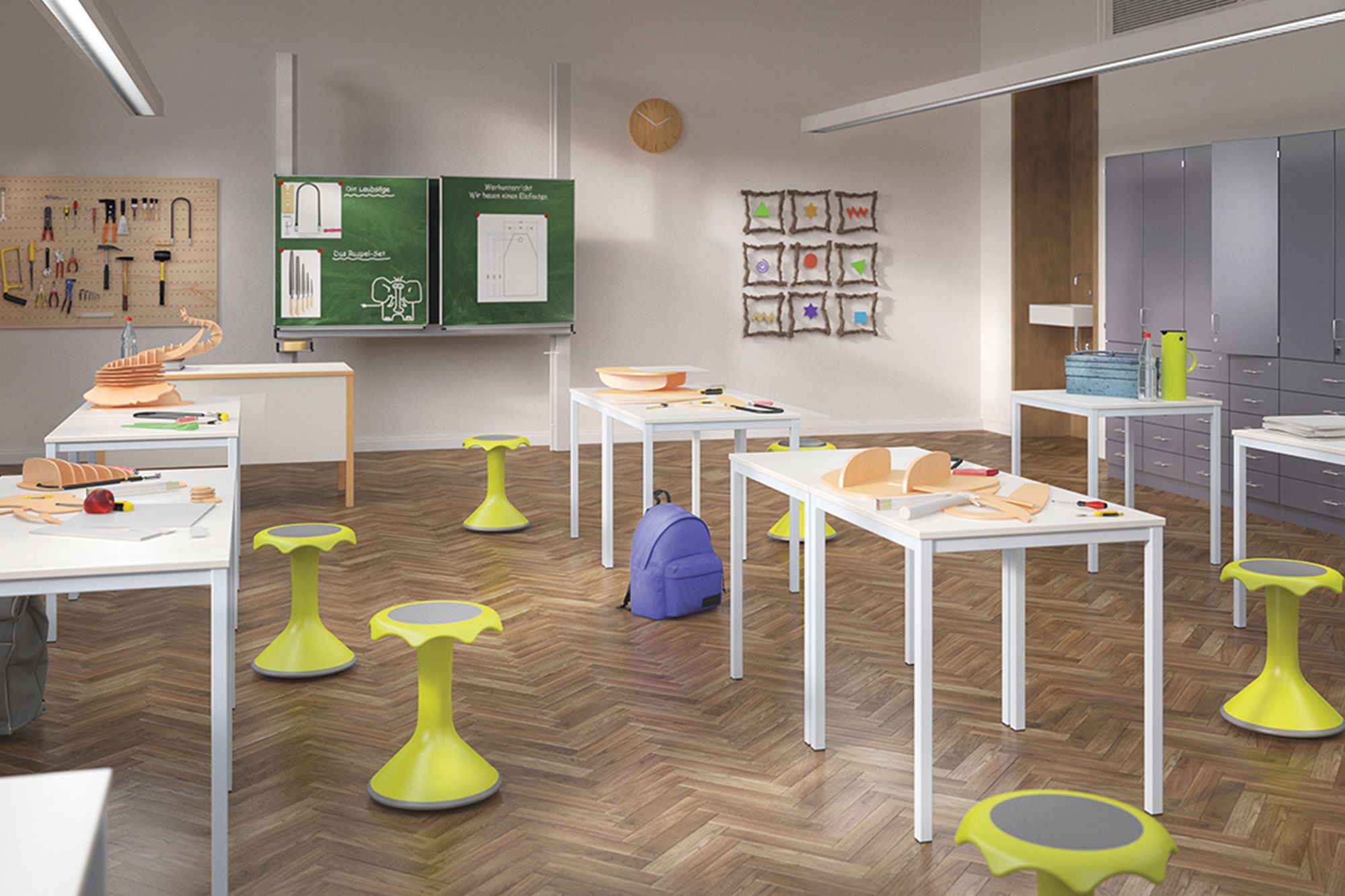
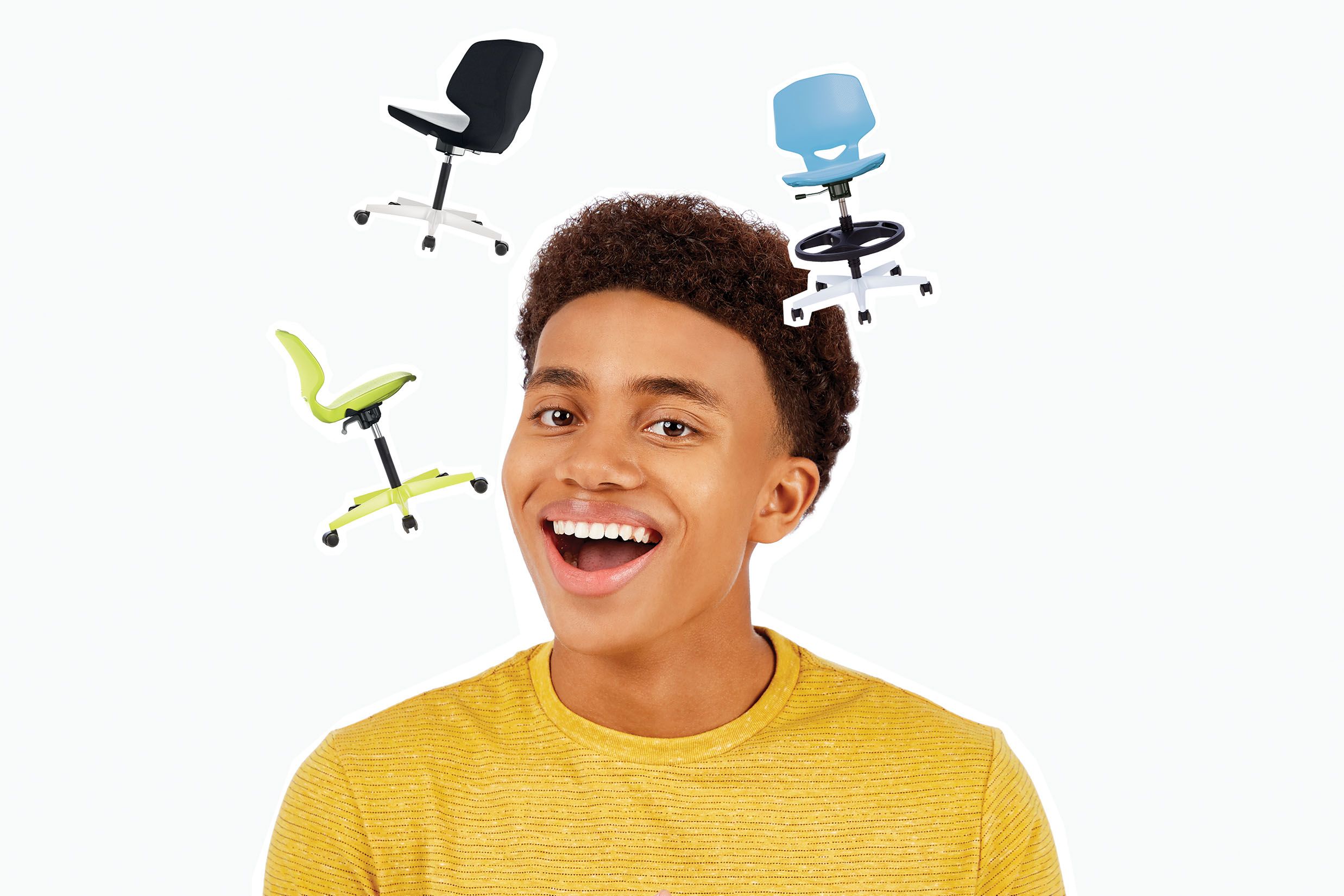
Students naturally alternate between sitting, standing, moving and changing posture throughout the day. Agile spaces make room for this movement rather than expecting every activity to happen in the same position or layout.
By combining ergonomics, adaptable furniture and versatile layouts, VS products help spaces remain flexible while still feeling organised and purposeful. Teachers can adjust the environment as activities change, without needing to redesign the room each time.

Agility Ensures Spaces Can Adapt to Whatever Challenges the Future Brings Making Them Truly Future-ProofFuture-Proof Your Spaces
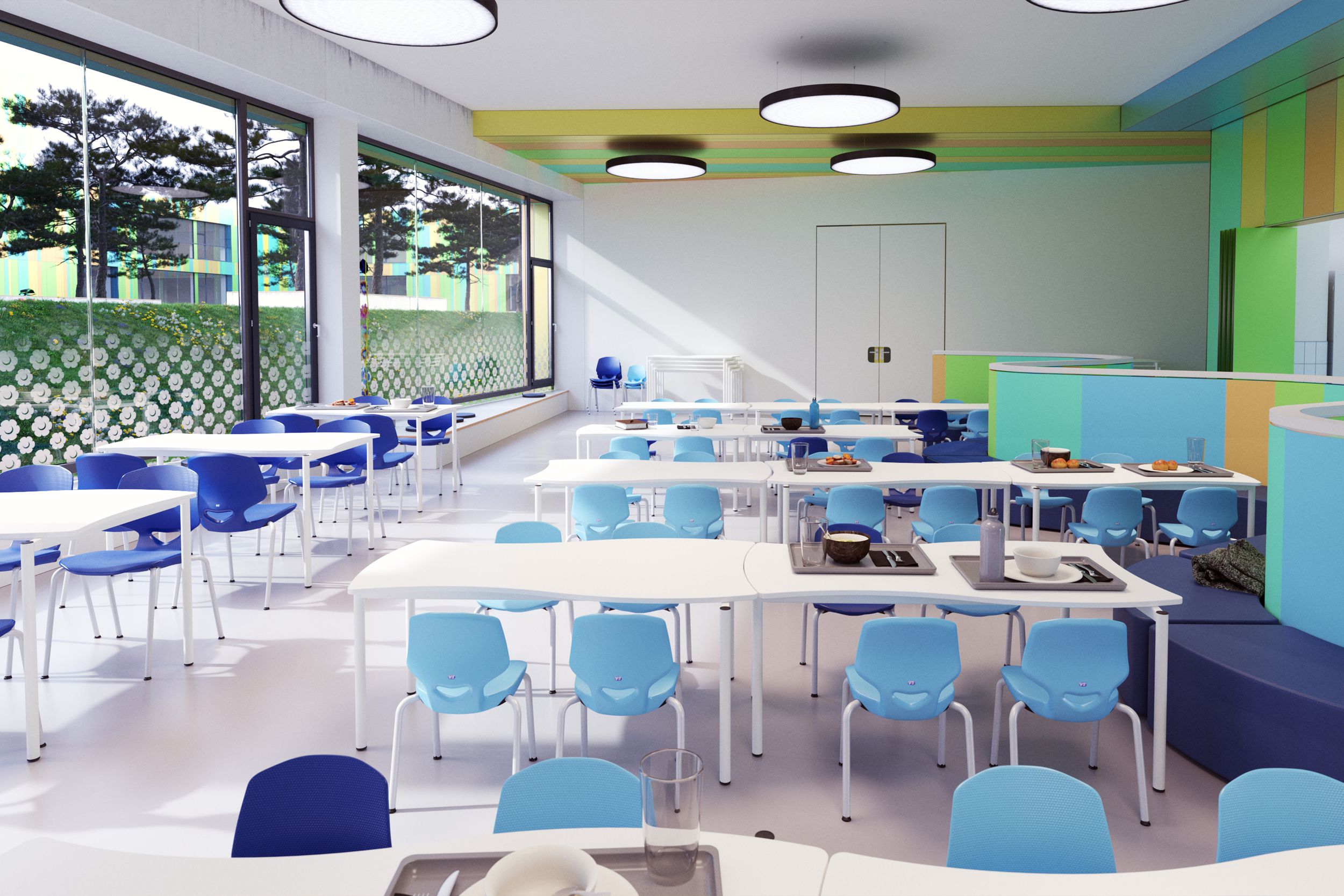
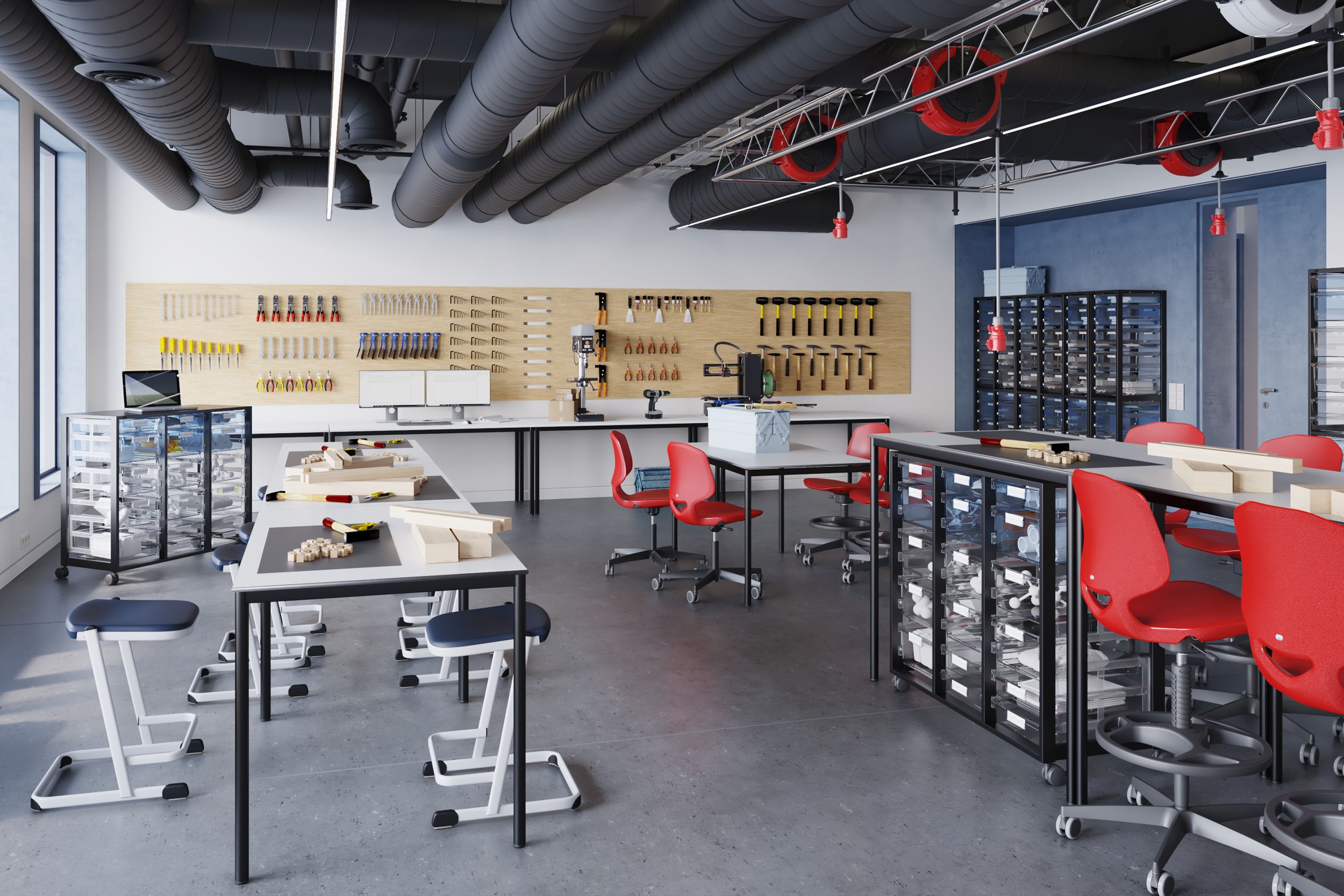
Different activities benefit from different types of space. Clearly defined zones can help students understand what a setting is for – whether that is individual focus, collaboration, presentation or a quieter activity. With adaptable furniture, the room can change as the task, group size or teaching approach changes.
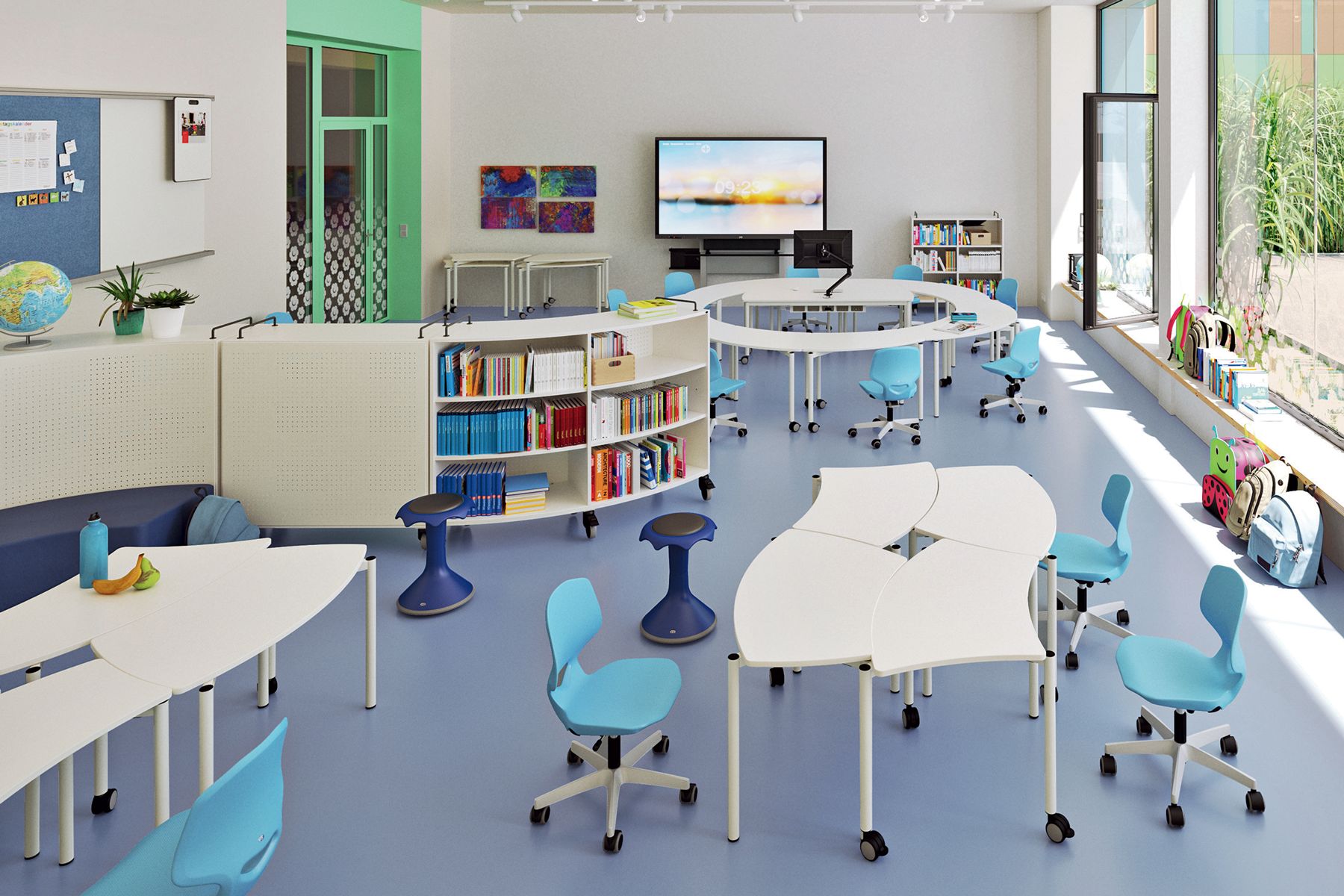
Learning does not need to stay within the four walls of a classroom. With the right planning, different areas across a school can become useful places to work, meet and learn.
Nooks, corridors and shared areas can support different activities with stools, soft seating, floor-level options or standing-height tables. Giving students access to a range of settings can also support greater choice and independence in how they work.
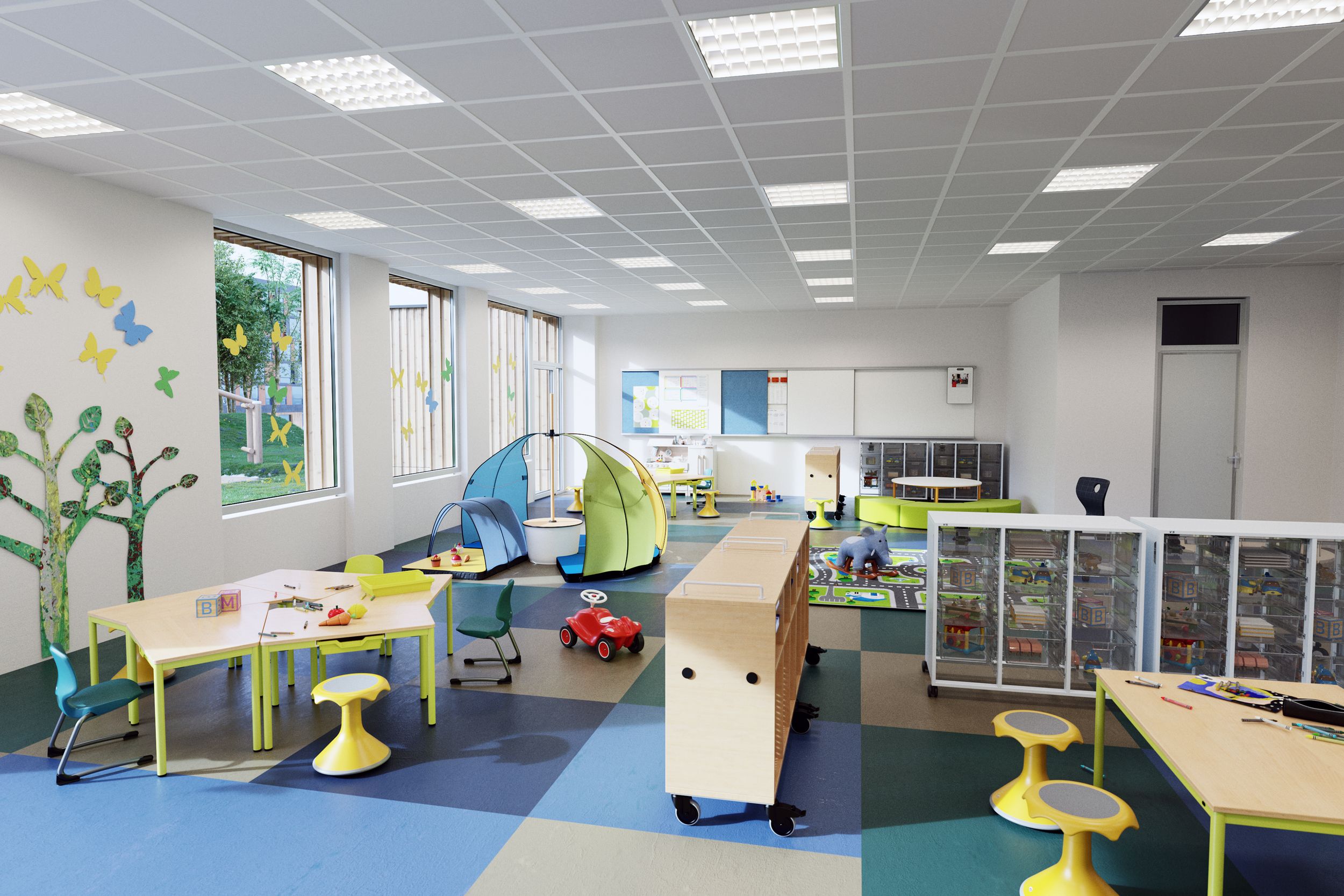
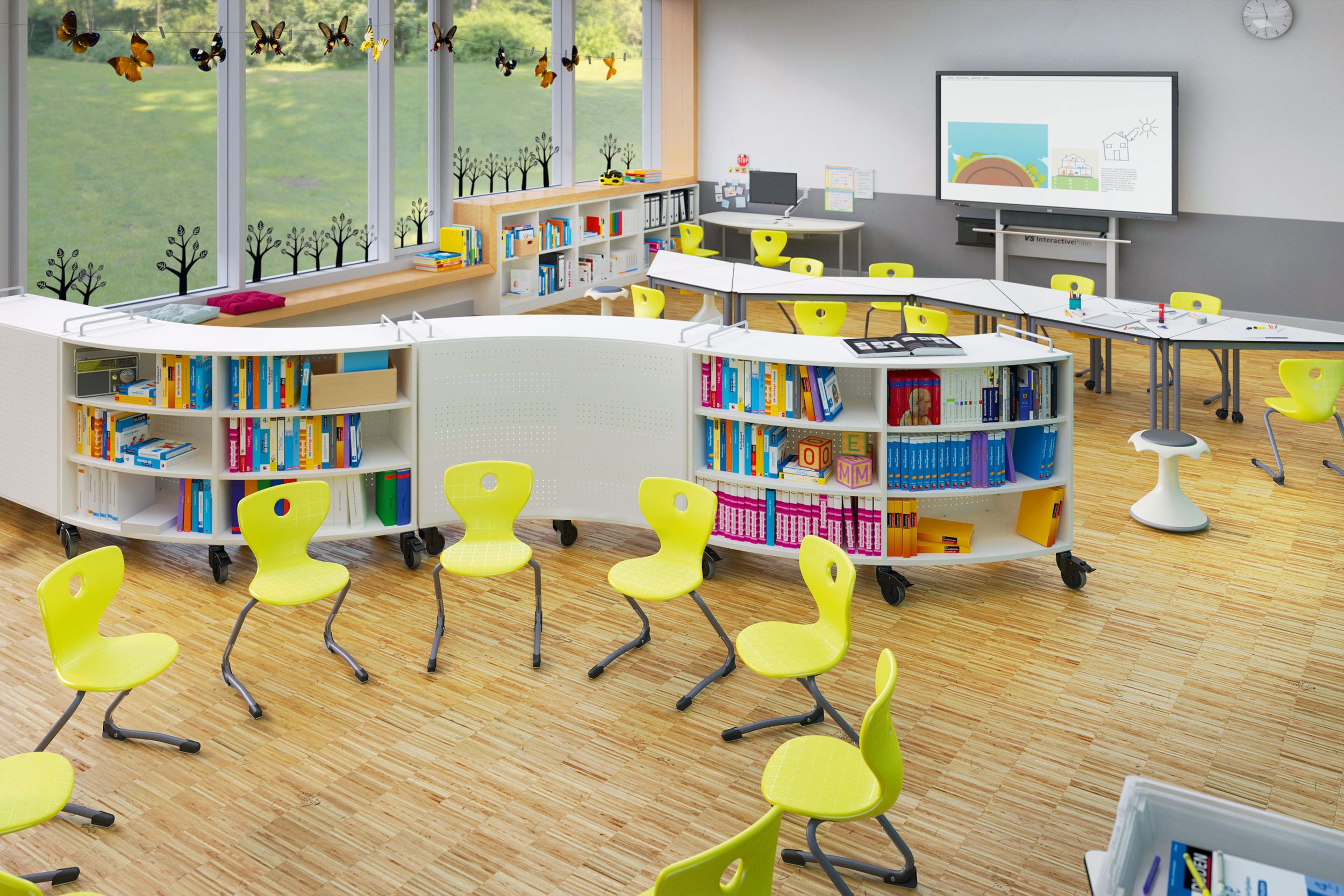
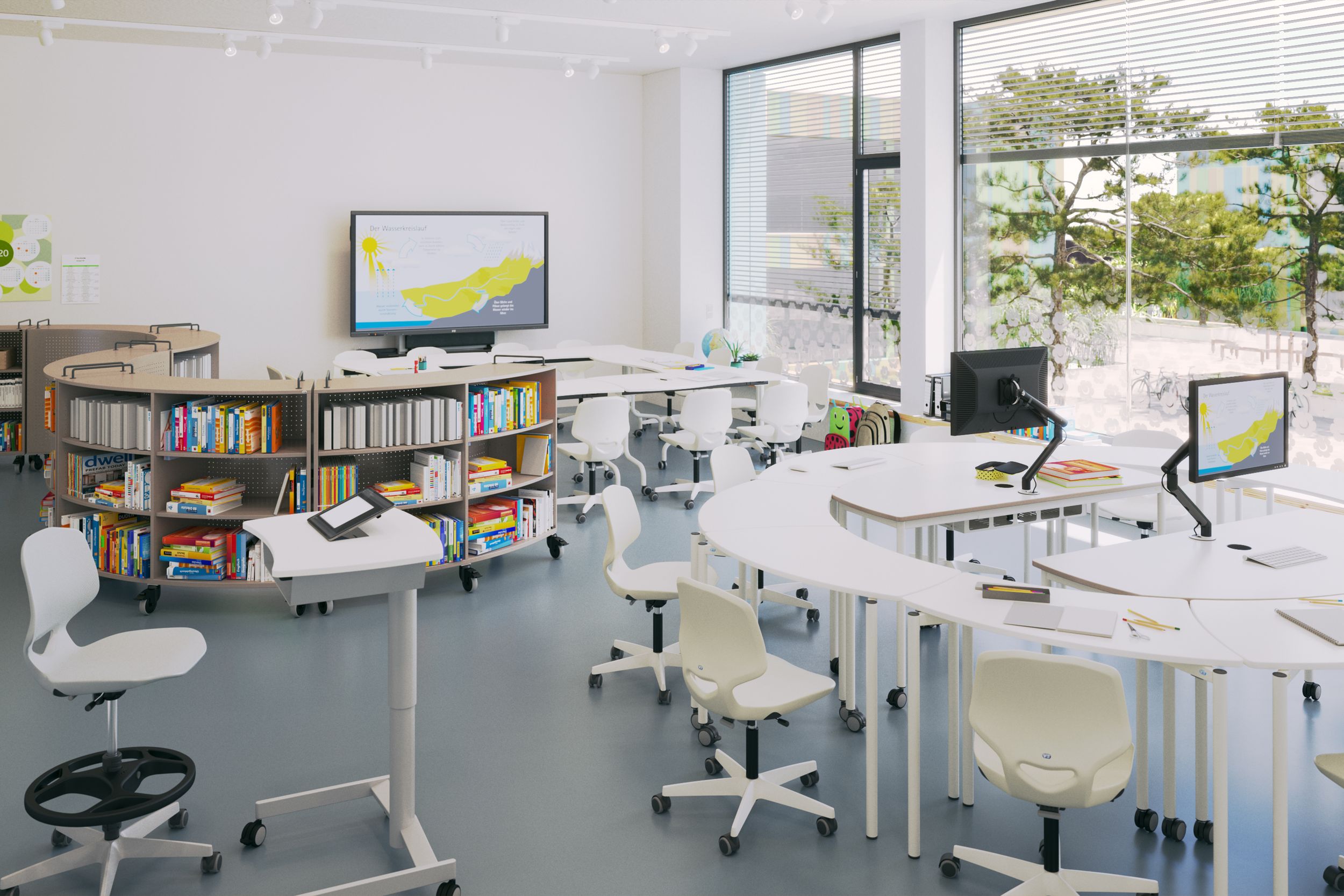
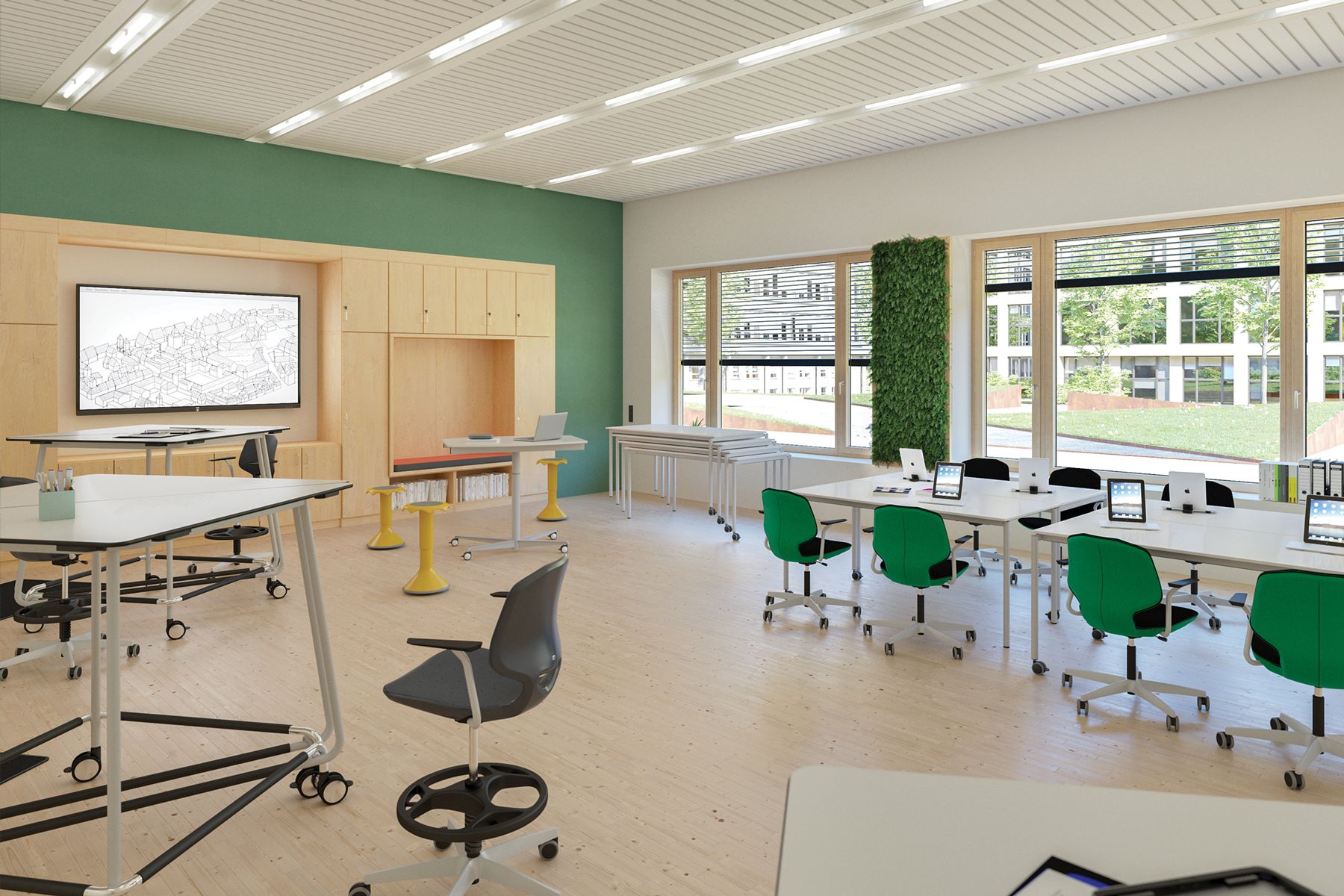
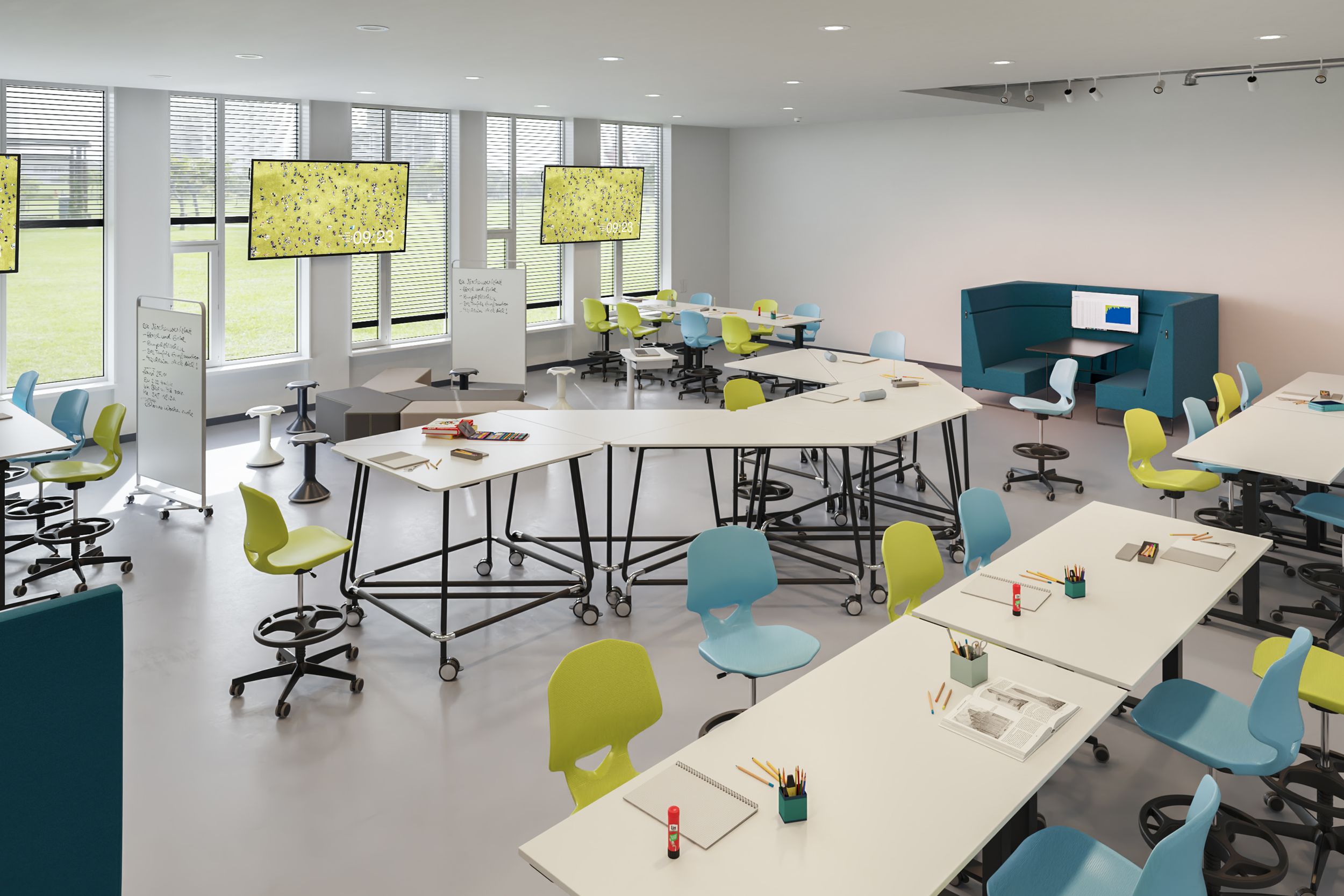
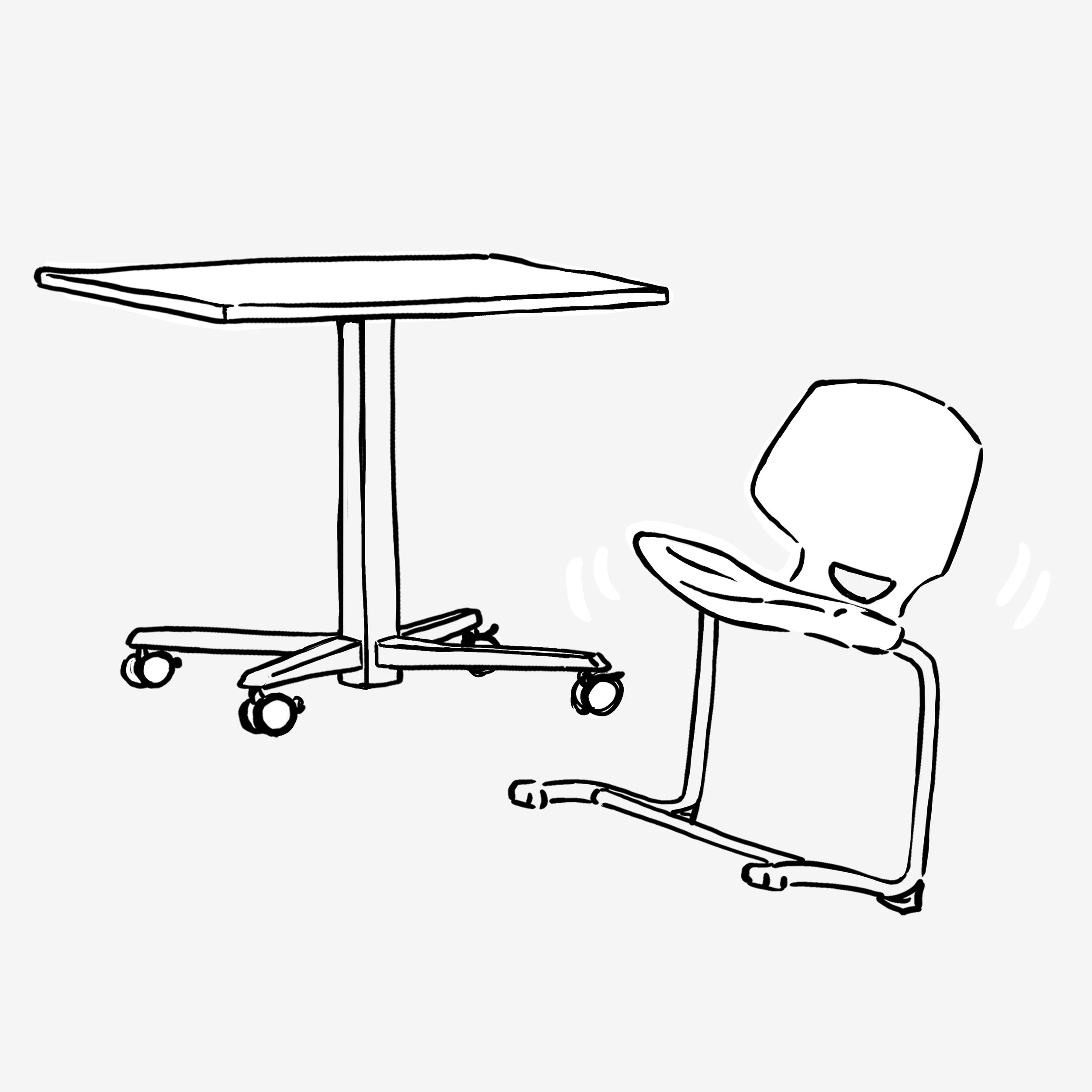
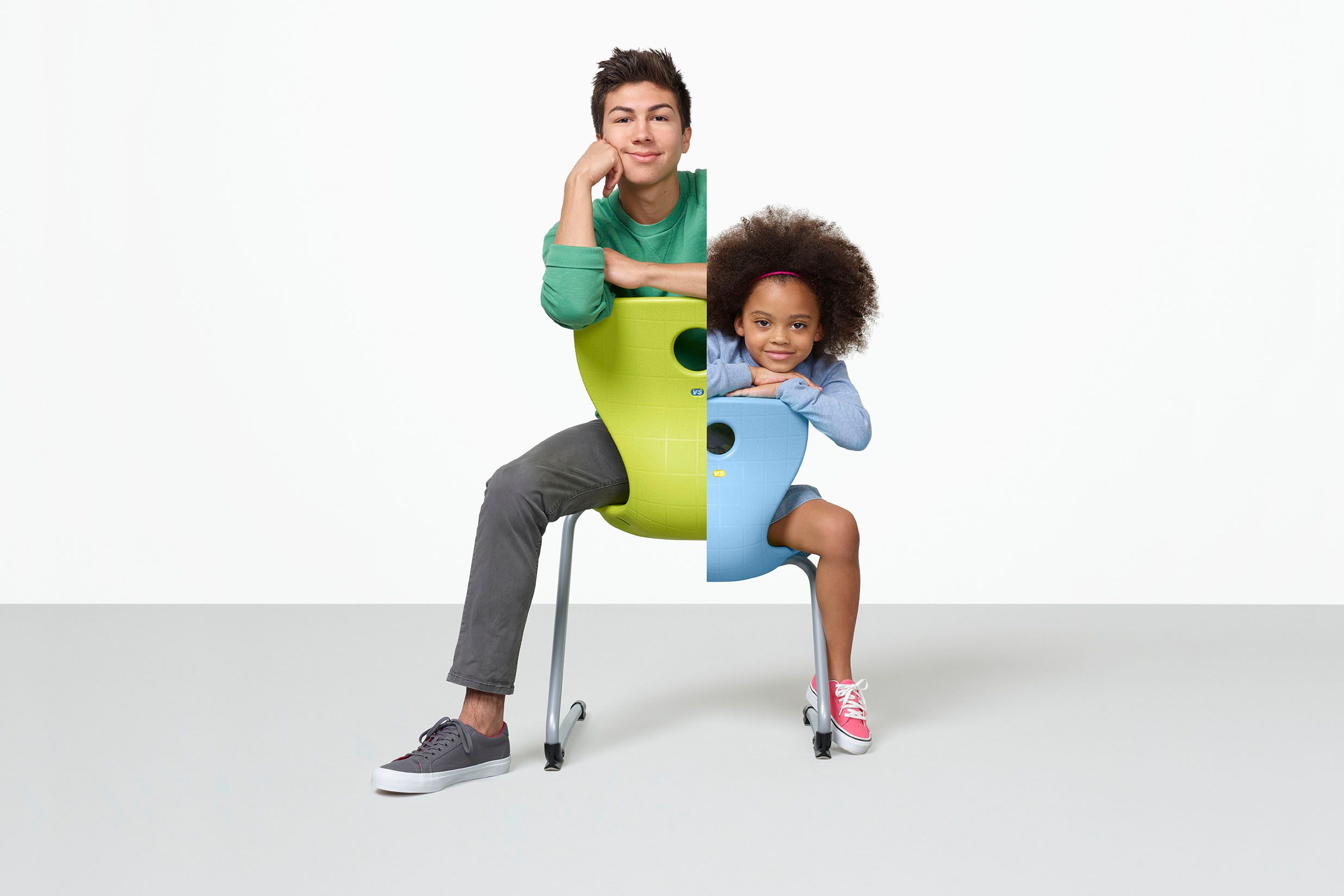
Move beyond traditional ergonomics by making room for dynamic movement. Ergo-dynamic spaces support the body through active, adaptable furniture and natural changes in posture. Explore why movement matters for learning and what to consider when choosing furniture.

Share This Page